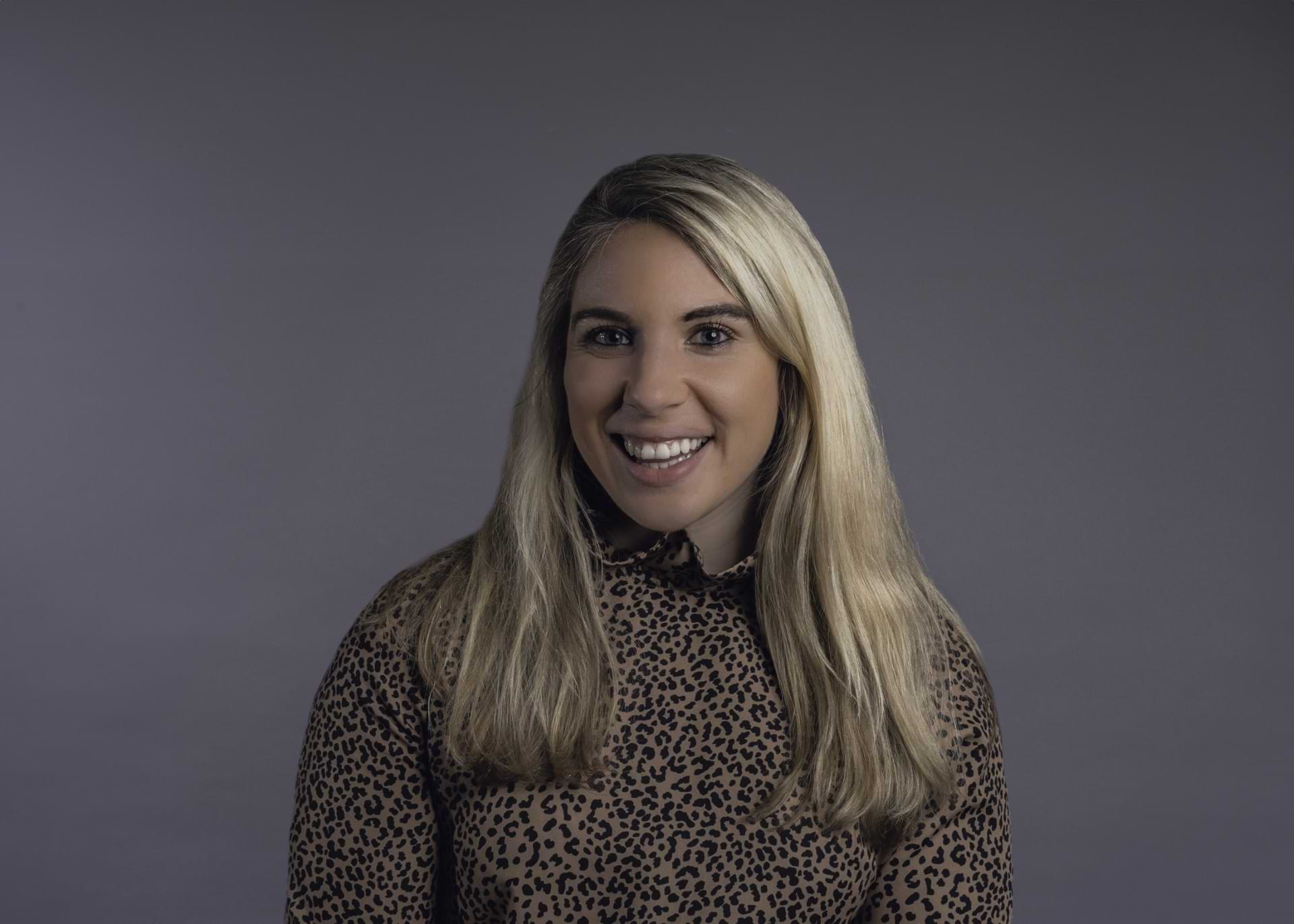
In many of my first conversations with my fellow Emerging Business Leaders class, I began by noting that I’m a Charlotte native. It’s a phrase I’ve used for years as I tell people my story, which usually goes something like this:
“I’m a Charlotte native and went to Wake Forest University for college. I then spent the first six years of my career working in health care communications in Washington, D.C. Knowing I ultimately wanted to settle in Charlotte, I jumped at the opportunity to join lūquire – an agency I’d admired since I was young (and one where I’d applied for – and been denied – several internships in my younger years). I moved back to Charlotte in the fall of 2018, and the rest is history.”
Typically, that spiel is followed by, “Wow, so you’re a Charlotte unicorn!” But I fear I’ve been living a lie.
Charlotte is the only home I’ve ever really known, but I *actually* wasn’t born here. My family moved to Charlotte from Cincinnati in 1996 when my dad took a job with what was then First Union. He moved down in the early summer, and my mom, sister and I visited him a few times in the corporate relocation apartment – which we deemed very chic because it had a pool.
We finally moved into a home in Dilworth that August, just days before I started kindergarten at St. Patrick. And thus, my Charlotte story began.
As a family, we often talk about what might have happened if we had taken the metaphorical “red pill.” My mom had a competing job offer in Milwaukee that she and my dad debated before ultimately choosing Charlotte. But they’ve always said that when they visited Charlotte, there was an immediate calmness that settled over them – and I believe that’s something the city still offers people today.
There is something wholly unique about this city. That might sound laughable, especially if you walk through Uptown at lunch on any given Tuesday into a sea of Patagonia vests and khakis.
But it’s an intangible feeling – something you can’t always put your finger on – that continues to drive more than 150 people to this city every day. Within that feeling, there seems to be an unwritten promise to show up and leave this place better than you found it.
I think a lot of that has to do with the architects of this city and the “Charlotte Way” they shepherded and ingrained into the business ecosystem more than a half century ago.
Much of my work as associate director of public relations at lūquire involves capturing that feeling, making the Charlotte Way come to life in the media, and helping audiences understand why it matters.
One example was the Presidents Cup, which came to Quail Hollow Club in 2022. While the club had hosted large-scale golf competitions before, the Presidents Cup was different: it was an international event, with eyes from dozens of countries on the Queen City. We had one chance to showcase why Mayor Vi Lyles called us a “world-class city.”
Ultimately, the tournament attracted nearly 200,000 fans, 500 international media members and generated nearly $132 million in economic impact while millions more watched around the world – reinforcing Charlotte’s ability to host premier global events. But perhaps more importantly, the event leaned into Charlotte’s identity. Tournament areas were dubbed “NoDa” and “South End,” local small businesses were featured throughout the experience and the event generated $2 million in charitable contributions, including support for the Mayor’s Racial Equity Initiative and organizations like Charlotte Family Housing and NXT|CLT, groups working to address some of Charlotte’s most pressing challenges around housing affordability and economic mobility. In every story we told, we worked to highlight not just the tournament, but the generosity and civic spirit that define this city.
But it isn’t just large-scale events that see the Charlotte Way as a priority.
In my seven years at lūquire, I can’t remember a client with a Charlotte presence who hasn’t been thoughtful about how they show up here. For example, our team helped onboard Chancellor Sharon Gaber when she took the helm at UNC Charlotte, and we supported Elon University as it launched its full-time law program at its South End campus. In both cases, leadership made a point to understand the fabric of the city and align their institutional priorities with Charlotte’s growth and evolution.
Just last year, our team helped Honeywell evolve its employee volunteer program into “I Will with Honeywell,” shifting from an individual model to one focused on partnership and collective impact. And I can’t tell you how many surprise-and-delights we’ve helped deliver on behalf of Bojangles to local first responders and service members, ensuring their hometown feels taken care of. After all, everyone knows sweet tea is the best medicine.
There are cities where dog-eat-dog competition is the name of the game, where the only way to get ahead is to step on others or forsake the little guy in pursuit of your own success. Not here. Though the Charlotte Way was taking shape long before the city even had a skyline, I still see it as a throughline today – something you have to not only buy into, but truly believe in to succeed and grow here.
In our last EBL program, we talked about executive presence. One of the most unsurprising – yet perhaps most cliché – takeaways was that executive presence is largely about how you make people feel. You can have the smartest pitch or the most evolved business model, but if someone leaves a conversation with you feeling valued, respected and taken care of, that impression tends to linger long after the conversation ends.
In many ways, Charlotte has been operating with this mindset for decades. City leaders knew they would never compete with New York, Los Angeles or Chicago on sheer size or star power, so they leaned into something else entirely: collaboration, generosity and civic pride. Instead of cutthroat competition, they built a place people wanted to be, not a place they had to be because of business. A true “if you build it, they will come.”
We didn’t have a name for it at the time, but I think that’s what my mom and dad felt all those years ago – the invisible whisper of the Charlotte Way. And I think that’s what ultimately pulled me home: that same whisper has colored my own life and seeped into how I think about the work I do each day.
I’m inspired and grateful to be part of this group of remarkable Emerging Business Leaders, people who embody that same spirit and whose organizations are helping carry the Charlotte Way forward for the next generation.
Clare Rizer Cook is an associate director of PR at lūquire. You can connect with Clare on LinkedIn.