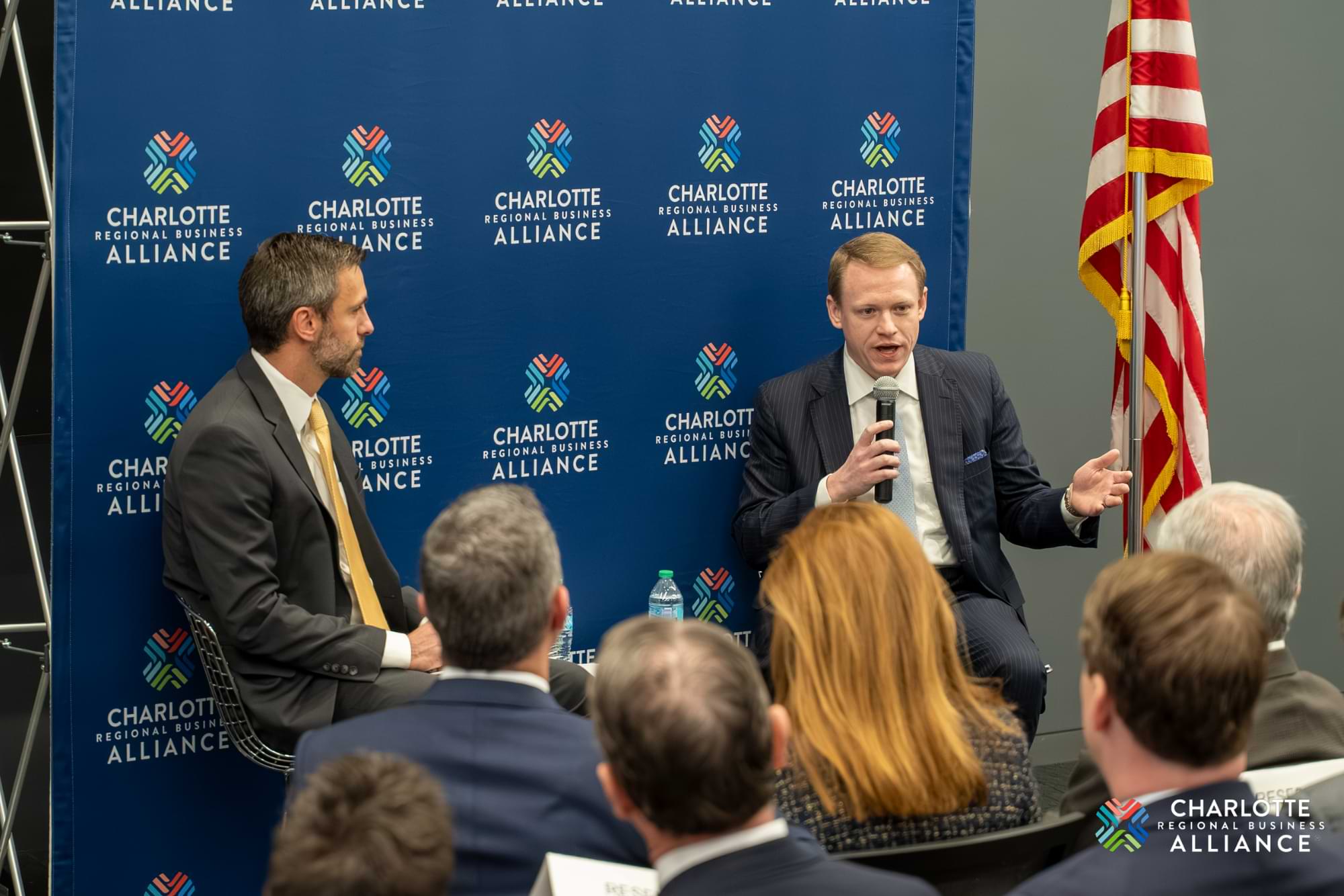
North Carolina’s continued growth, especially in the Charlotte Region, is driving a broader conversation about how the state balances opportunity with responsibility. From Charlotte Douglas International Airport and infrastructure to education and economic development, lawmakers are working to align statewide policy with the realities facing fast-growing communities.
At the center of that effort is North Carolina House Speaker Destin Hall, who has expressed optimism that the General Assembly will deliver a strong, sustainable budget early in the short session. That budget, he suggests, must reflect long-term priorities, particularly investments in education. Maintaining competitive teacher pay is essential to attracting and retaining talent, especially as neighboring states continue to raise salaries.
At the same time, North Carolina’s decades-long commitment to its higher education system remains a cornerstone of its economic success. Institutions like the University of North Carolina at Charlotte and Central Piedmont Community College play critical roles in preparing a workforce to meet the evolving needs of employers. Community colleges continue to stand out for their ability to quickly tailor programs to industry demand.
Infrastructure is another critical piece of the equation. Charlotte’s airport continues to serve as a major economic engine, welcoming 53.6 million travelers in 2025 alone. Its growth has ripple effects across the state, reinforcing the importance of strong partnerships between state and local leaders. Ongoing communication, paired with targeted infrastructure investments like those made at Piedmont Triad International Airport, helps position North Carolina as an attractive partner for the airline industry and supports broader economic development goals.
That same emphasis on coordination is playing out in transportation. Following the passage of the P.A.V.E. Act and voter approval of key investments in Mecklenburg County, attention is now turning to implementation. As the Mecklenburg Public Transportation Authority begins its work, state leaders are focused on ensuring that progress remains measurable, coordinated, and grounded in public safety, an essential component of any long-term transportation strategy.