Charlotte Hornets Co-Chairman Rick Schnall told Charlotte Regional Business Alliance investors this week that he wants the team to help make Charlotte one of the best cities in the country, and that the work starts with a great downtown.
Schnall joined Shelly Cayette-Weston, president of business operations for Hornets Sports & Entertainment, for a fireside conversation at the CLT Alliance’s November Investor Quarterly Meeting, held inside the newly renovated Spectrum Center. Noting that she’d never shared a stage with Schnall before, Cayette-Weston opened by framing the arena’s $245 million renovation as an investment in a community asset.
Over the course of the conversation, Schnall covered his path to ownership, his friendship with Michael Jordan, the team’s plans for Uptown, and why he believes Charlotte holds the best growth opportunity in the NBA.
From pickup to the boardroom
Schnall grew up in Queens, playing pickup basketball on New York City courts. For college, he attended the Wharton School at the University of Pennsylvania. He moved into investment banking and later earned an MBA from Harvard Business School, going on to spend more than 30 years in private equity.
“I was fortunate,” he said of his schooling and career. “In the right place at the right time.”
He traced much of his success to a competitive streak he said he was born with. That same drive now shapes the Hornets’ culture, from the locker room to the business office. Talent matters when the front office evaluates players, Schnall said, but so do a love of the game, work ethic, and competitiveness.
The organization’s values of accountability, candor, integrity, resiliency, competitiveness, and one team guide those decisions.
On character and trust within his business, Schnall answered simply: “It’s sort of everything.” He said the most successful people he has met in his career are those with the highest character, and that the Hornets cannot win without high-character players. Cayette-Weston added that integrity comes up often in the organization’s conversations.
Cayette-Weston pointed out that Schnall changed one word in the team’s vision statement, which now calls for building “the” premier NBA and entertainment franchise rather than “a” premier one.
“If you’re not trying to be the best, what are you trying to do?” Schnall asked.
‘It has blown us away’
Schnall entered the NBA in 2015 as a minority investor in the Atlanta Hawks, a role that gave him a seat on the league’s Board of Governors and a close look at how franchises operate. When the chance came to buy the Hornets, two relationships made the deal possible: his partnership with Co-Chairman Gabe Plotkin and a friendship with Michael Jordan that dates back to 2004.
That friendship began at Jordan’s fantasy basketball camp. Schnall did well at the camp, despite his size.
“Despite my challenged height, I was one of the better players,” Schnall joked.
The two connected over a shared competitive fire, with Jordan calling him out and checking his stats. Years later, when Schnall approached him about buying the team, Jordan told him he was the right person for it.
Schnall admitted he never targeted Charlotte specifically. Once he studied the market, though, he saw a passionate fan base and a city on the rise.
“It has blown us away,” he said.
He called Charlotte the best city opportunity in the NBA, pointing to its growth, its young population, and the chance to build a downtown that rivals the country’s best.
That conviction explains why Schnall chose to live in Charlotte, something not every NBA owner does.
A great city needs a great downtown
Schnall linked the team’s ambitions directly to Uptown. “To be the premier franchise in the NBA, we need to be a premier city,” he said. “To be a premier city, we need to have a great downtown.”
That thinking drove the purchase of the EpiCentre, which Schnall said he sees as a catalyst for a broader Uptown entertainment district, delivered through a public-private partnership. Because the Hornets are not a real estate company, he said, the organization plans to bring in the right development partners.
Cayette-Weston pointed to entertainment districts in Atlanta, Philadelphia, and Denver as examples. Schnall noted that Charlotte’s would sit in the heart of downtown, which not every market can offer, and stressed that the investment is about the city’s future rather than financial return. Cayette-Weston added that the team respects the area’s history and wants to build what is good for Charlotte and its residents.
The team is applying the same ambition to its $190 million Novant Health Performance Center
, which received $60 million from the City of Charlotte. Schnall expects it to rank among the best in the NBA and help attract top players. The building will also house business staff on its sixth floor, part of an effort to remove the usual wall between basketball and business operations.
“It’s turning out to be even better than we had imagined,” he said.
Basketball and Olivia Rodrigo
Asked how sports and entertainment affect talent recruitment for other companies across the Charlotte Region, Schnall said the goal is to attract top players and top performers alike.
“We want to attract basketball, but also Olivia Rodrigo,” he said.
Charlotte already ranks as an incredible place to live, in his view, but the region needs more to draw visitors. He called tourism a major part of the city’s success, saying concerts and activities for both residents and visitors matter.
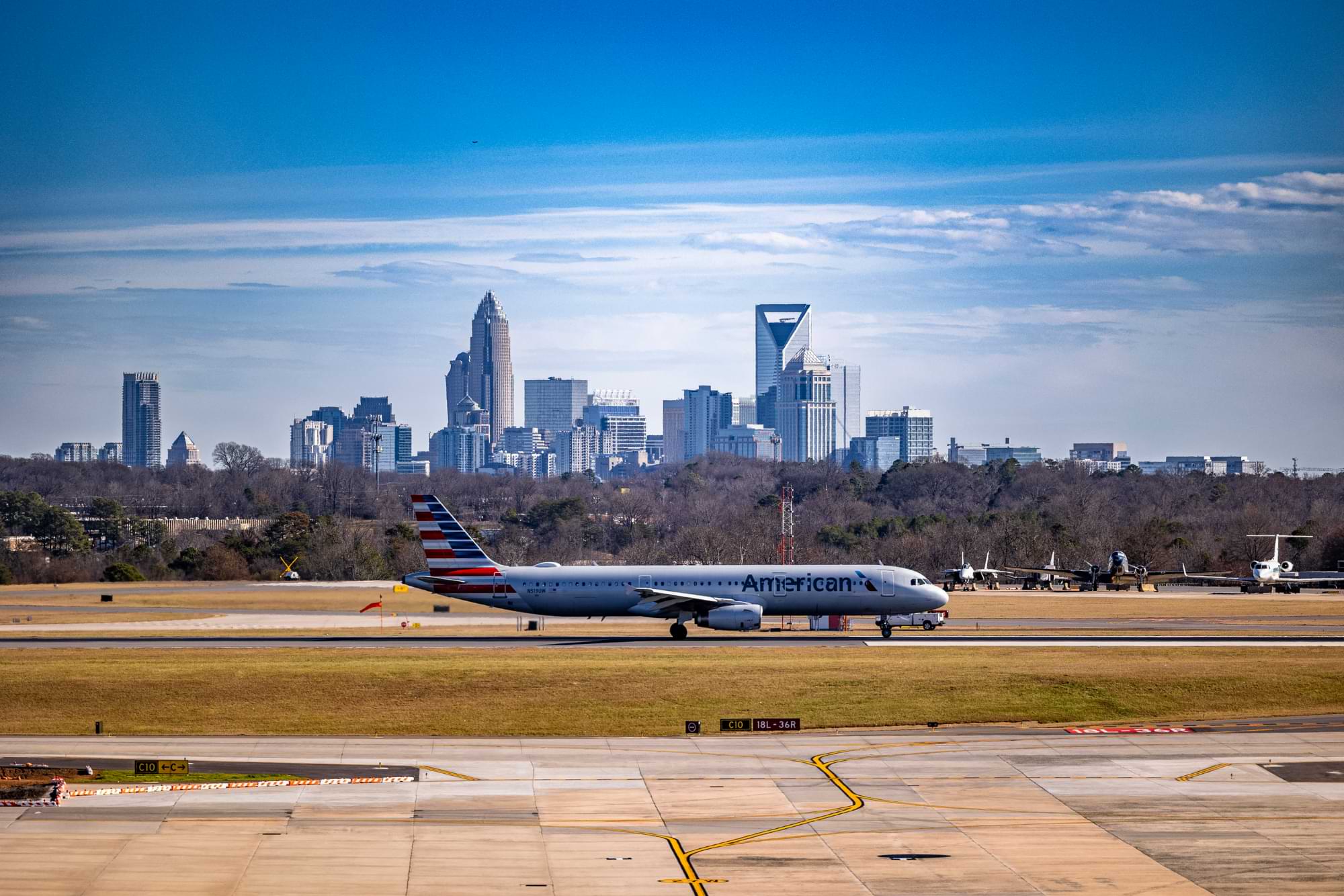
He also credited Charlotte Douglas International Airport as a key piece of the city’s appeal, citing its direct international flights.
“That’s one of the smartest things this city has ever done, is invest in the airport,” he said.
A lasting legacy
Cayette-Weston closed by asking what Schnall hopes people will say about the Hornets’ contribution to Charlotte five years from now. He made clear he never intends to sell the team. Instead, he hopes to look back and see that the Hornets became the premier franchise in the NBA, that Charlotte came to be seen as one of the best cities in the country with the team playing a part, and that the city grew past 1 million residents.
Above all, he said, he wants to leave a lasting legacy for the community, not just the team.